Time Off Editing has released an announcement outlining its real estate photo editing service, offering a detailed overview of the techniques, workflows, and industry relevance of post-production processes in property marketing. The announcement focuses on how structured image editing contributes to visual clarity, consistency, and effective digital presentation for real estate listings across various platforms.
As the real estate industry continues to rely heavily on digital channels, property images have become a primary source of information for prospective buyers and tenants. Online listings often serve as the first point of interaction, making the quality and consistency of visual content a critical factor in how properties are perceived. According to the announcement, real estate photo editing plays a key role in refining raw images to meet the technical and visual standards required for digital publishing.
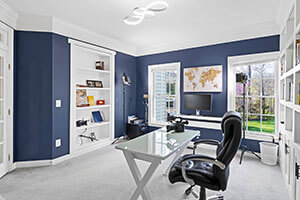
The process begins with the submission of raw images captured during property photography sessions. These images may include interior shots, exterior views, and surrounding areas, each taken under varying lighting conditions and environmental factors. The announcement explains that raw photographs often contain inconsistencies such as uneven lighting, color imbalances, and perspective distortions, which can affect the clarity and usability of the images if left uncorrected.
Exposure correction is identified as one of the primary steps in Time Off Editing’s real estate photo editing process. Interior images, in particular, can present challenges due to the contrast between natural light from windows and artificial indoor lighting. Editing techniques are used to balance these light sources, ensuring that both interior details and exterior views are visible within the same frame. This adjustment helps create a more accurate representation of the space and improves overall image readability.
Color correction is another essential component discussed in the announcement. Variations in lighting conditions can cause shifts in color tones, making walls, furniture, and other elements appear inconsistent across images. Editors adjust white balance, saturation, and color temperature to achieve natural and uniform tones. This process ensures that the property is represented in a way that closely matches its actual appearance.
Perspective correction is also highlighted as a key aspect of the editing workflow. Wide-angle lenses are commonly used in real estate photography to capture entire rooms, but they can introduce distortion that causes vertical lines to appear tilted. Editing tools are used to correct these distortions, aligning walls, doors, and other structural elements to reflect accurate proportions. This correction contributes to a more professional and visually balanced presentation.
The announcement also addresses detail enhancement techniques. Adjustments to sharpness, contrast, and brightness are applied to highlight architectural features, textures, and design elements within the property. These enhancements are performed with attention to maintaining realism, ensuring that the final image remains true to the original scene while improving visual clarity.
Exterior image enhancement is another topic discussed in the announcement. Outdoor photographs can be affected by weather conditions, lighting, and time of day. Editing processes may include adjusting sky appearance, improving brightness and contrast, and balancing shadows to create a more consistent look across images. These refinements help present exterior views in a way that is both clear and visually cohesive.
Object removal and minor retouching are also part of the real estate photo editing service. Temporary or distracting elements such as personal items, reflections, or minor imperfections may be removed to maintain focus on the property itself. The announcement notes that these adjustments are carried out carefully to ensure that the integrity of the space is preserved.
Time Off Editing emphasizes the importance of consistency across image sets. Real estate listings typically include multiple photographs that represent different areas of a property. Consistent editing ensures that lighting, color, and overall tone remain uniform throughout the set, providing a cohesive viewing experience for potential buyers or tenants. This consistency is particularly important when comparing multiple listings within the same platform.
The announcement highlights the role of real estate photo editing in supporting various professionals within the industry. Photographers rely on editing services to process large volumes of images efficiently, while real estate agents and property managers use edited images to present listings in a structured and professional manner. Developers and marketing teams also utilize edited visuals for promotional materials and project presentations.
File optimization is another aspect addressed in the announcement. Digital platforms often require images to meet specific size and resolution standards to ensure fast loading times and compatibility across devices. Edited images are prepared to balance quality and performance, allowing them to display effectively on websites, mobile applications, and listing platforms.
The announcement also discusses workflow efficiency in the editing process. Structured workflows enable the handling of large volumes of images within defined timeframes, supporting the timely publication of property listings. Efficient processing is particularly important in competitive markets where delays in listing publication can affect visibility and engagement.
Advancements in editing software are noted as contributing to the precision and consistency of real estate photo editing. Modern tools allow for detailed adjustments in exposure, color grading, and perspective correction, enabling editors to achieve consistent results across diverse image sets. Batch processing capabilities further enhance efficiency by allowing similar adjustments to be applied to multiple images simultaneously.
Collaboration between photographers and editing teams is highlighted as an important factor in achieving desired outcomes. Clear communication regarding style preferences, editing guidelines, and project requirements ensures that the final images align with the intended presentation. This collaborative approach supports consistency across projects and helps maintain quality standards.
The announcement also addresses ethical considerations in real estate photo editing. While editing techniques are used to improve visual clarity and consistency, the goal is to represent the property accurately without altering its fundamental characteristics. Maintaining authenticity is important for ensuring that potential buyers or tenants have a realistic understanding of the property.
Another element discussed is the role of visual storytelling in property presentation. A sequence of well-edited images can guide viewers through the layout and features of a property, providing a sense of space and flow. Consistent editing helps create a smooth visual narrative, making it easier for viewers to interpret the property’s structure and design.
Time Off Editing concludes the announcement by emphasizing that real estate photo editing is an integral part of modern property marketing. By combining technical adjustments, consistent workflows, and attention to detail, editing services help ensure that property images are prepared for digital presentation and meet the expectations of today’s online audiences.
For more information, visit:
###
For more information about Time Off Editing, contact the company here:
Time Off Editing
Daren
info@timeoffedit.com
